
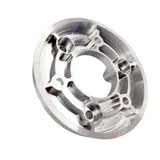
Car enthusiasts are always looking for ways to improve the performance, handling, appearance, and driving experience of their vehicles. While modern cars already come tuning parts with impressive engineering and advanced technology, carefully selected upgrades can help unlock additional potential. This is where tuning parts play an important role. From engine components and exhaust systems to suspension upgrades and performance brakes, the right parts can transform how a vehicle performs on the road or track.
Understanding Tuning Parts
Tuning parts are aftermarket components designed to improve one or more aspects of a vehicle’s performance or functionality. Depending on the type of upgrade, they can increase engine power, improve acceleration, enhance cornering ability, provide stronger braking performance, or make the vehicle more responsive.
Some tuning parts focus primarily on mechanical performance, while others combine performance improvements with styling benefits. Popular examples include upgraded air intake systems, intercoolers, exhaust components, suspension kits, lightweight wheels, performance brakes, and engine management systems.
The key is choosing components that work well together. Installing individual upgrades without considering the vehicle’s overall setup may not deliver the expected results. A balanced approach generally produces better performance and reliability.
Improving Engine Performance
One of the main reasons drivers choose tuning parts is to improve engine performance. The engine converts fuel into power, and several components can influence how efficiently this process occurs.
Performance air intake systems can help an engine receive air more efficiently. Since combustion requires oxygen, improving airflow can contribute to better engine response when combined with appropriate supporting modifications.
Exhaust upgrades can also influence performance. A well-designed exhaust system can help gases leave the engine more efficiently. Depending on the vehicle and configuration, this may contribute to improved throttle response and power while also creating a sportier exhaust note.
Intercoolers are another popular upgrade for turbocharged and supercharged vehicles. They help reduce the temperature of compressed intake air, supporting consistent performance under demanding conditions.
The Importance of Engine Tuning
Mechanical upgrades are only part of the equation. Modern engines rely heavily on electronic control systems, which regulate fuel delivery, ignition timing, boost pressure, and other functions.
An appropriate engine calibration can help the vehicle make better use of compatible hardware upgrades. Professional tuning should always account for the specific vehicle, installed components, fuel requirements, and intended use.
A poorly configured setup can create drivability issues or place unnecessary stress on engine components. For this reason, performance modifications should be planned carefully rather than simply adding the most powerful components available.
Enhancing Suspension and Handling
Performance is not only about horsepower. A vehicle that produces more power but cannot handle corners effectively may not provide a better driving experience. Suspension-focused tuning parts can improve stability, responsiveness, and overall handling.
Lowering springs, coilovers, upgraded dampers, sway bars, and performance bushings are common suspension modifications. These components can influence body movement, steering response, and cornering behavior.
A properly designed suspension setup can make a vehicle feel more controlled and predictable. However, suspension changes should be matched to the vehicle and driving conditions. Extremely aggressive settings may not always be practical for everyday roads.
Upgrading Braking Performance
More engine power and higher speeds increase the importance of effective braking. Performance brake components can help a vehicle manage demanding driving conditions more confidently.
Upgrades may include larger brake discs, performance pads, improved calipers, and high-quality brake fluid. The goal is to provide appropriate stopping performance while maintaining predictable pedal feel.
Brake upgrades should be selected according to the vehicle’s weight, power, wheel setup, and intended use. Street-driven vehicles and track-focused cars can have very different braking requirements.
The Role of Lightweight Wheels
Wheels are another area where tuning parts can affect both appearance and performance. Lightweight wheels can reduce unsprung mass, which may help suspension components respond more effectively to changes in the road surface.
Wheel size and weight can also influence acceleration, braking, steering response, and ride quality. However, larger wheels are not automatically better. The ideal setup depends on tire selection, suspension configuration, vehicle specifications, and driving requirements.
High-quality wheels should also have the correct fitment and load rating. Proper installation is essential for safety and performance.
Improving Aerodynamics
Aerodynamic components can help control airflow around a vehicle. Spoilers, splitters, diffusers, side skirts, and other body components can contribute to improved airflow when they are properly designed.
For vehicles used at higher speeds or on a track, aerodynamic modifications can potentially increase stability and reduce unwanted lift. However, aerodynamic upgrades should be chosen based on the vehicle’s design and intended application.
Visual styling is also an important part of car modification. Bodykits and other exterior tuning components can give a vehicle a more distinctive appearance while complementing its performance-focused character.
Choosing the Right Tuning Parts
Selecting the right components requires more than choosing products based on appearance or advertised performance figures. Vehicle compatibility should always be considered first.
Drivers should evaluate factors such as vehicle model, engine configuration, intended use, budget, installation requirements, and compatibility with existing modifications. Quality is equally important. Cheap or poorly manufactured components may not provide the durability or fitment expected from a performance upgrade.
It is also useful to consider whether individual modifications will work together. For example, upgrading engine airflow without considering fuel delivery or engine calibration may limit the benefits of the modification.
Professional Installation Matters
Even high-quality tuning parts can perform poorly if they are installed incorrectly. Certain modifications require specialist knowledge, proper tools, and careful adjustment.
Professional installation can help ensure that components are fitted correctly and that the vehicle remains reliable. After major modifications, inspections, alignment checks, or electronic calibration may also be necessary.
Working with experienced technicians can make the upgrade process easier and reduce the risk of compatibility or installation problems.
Balancing Performance and Reliability
A successful performance build is not necessarily the vehicle with the largest possible horsepower figure. Long-term reliability, drivability, comfort, and maintenance requirements should also be considered.
Every vehicle has engineering limits. Excessive modifications without appropriate supporting components can increase stress on the engine, transmission, drivetrain, cooling system, and other components.
A balanced upgrade strategy focuses on achieving the desired improvement while maintaining dependable operation. Incremental upgrades can make it easier to evaluate how each modification affects the vehicle.
Conclusion
Tuning parts are an important part of modern car performance upgrades. They can improve engine response, handling, braking, aerodynamics, wheel performance, and the overall driving experience. However, the best results come from selecting compatible, high-quality components and considering the vehicle as a complete system.
Whether the goal is a sharper daily driver, a powerful performance car, or a track-focused build, careful planning is essential. By combining the right tuning parts with professional installation and appropriate calibration, car enthusiasts can create a vehicle that offers improved performance while maintaining practicality, safety, and reliability.