
Introduction to the Gelatin Trick
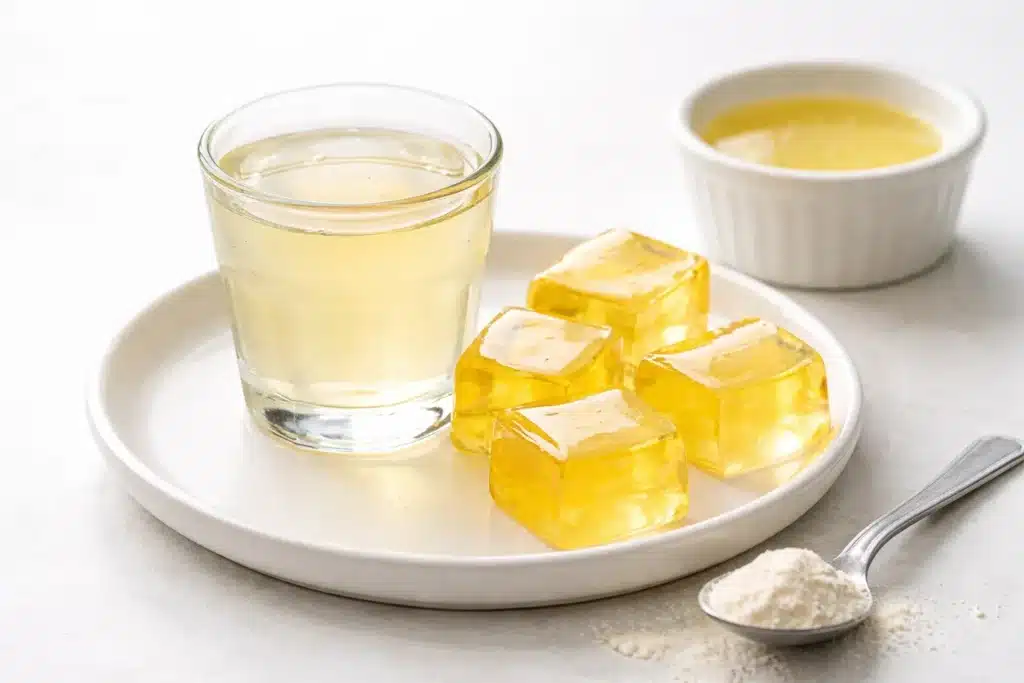
The gelatin trick has recently gained attention online as part of health and wellness conversations, especially in discussions about metabolism, appetite control, and weight management. Many people encounter it through viral videos or fitness influencers who claim it supports digestion, helps with cravings, or fits into certain diet routines. Despite its popularity, there is still confusion around its purpose, how it works, and whether it actually delivers results.
At its core, the gelatin trick is based on the idea of using gelatin—a protein derived from collagen—to create a feeling of fullness and support dietary goals. While it sounds simple, the science and practical use behind it require a closer look. Understanding this trend is important before deciding whether it belongs in your lifestyle.
What is the Gelatin Trick
If you are wondering what is the gelatin trick, it generally refers to the practice of consuming gelatin mixed with water or other ingredients, usually before meals or as a snack replacement. The idea is that gelatin expands slightly in the stomach, helping you feel fuller for longer periods, which may reduce overall calorie intake.
Gelatin itself is a protein obtained from animal collagen found in bones, skin, and connective tissues. When dissolved in hot water and cooled, it forms a gel-like substance. This property is what makes it useful in foods like jelly desserts, marshmallows, and certain gummies. In the context of the gelatin trick, people use unflavored gelatin powder mixed with water, juice, or warm drinks as part of a diet strategy.
Supporters of the method believe it may help in several ways. First, it may reduce hunger by increasing satiety. Second, it provides a small amount of protein with minimal calories. Third, it may support skin, joint, and gut health due to its collagen content. However, these claims vary in strength depending on scientific evidence and individual experience.
How the Gelatin Trick Works in the Body
The gelatin trick is primarily associated with appetite control. When consumed, gelatin absorbs liquid and forms a thicker substance in the digestive system. This can slow down stomach emptying, which may help you feel satisfied for a longer time.
Protein in general is known to be more filling than carbohydrates or fats. Gelatin, although not a complete protein, still contributes to protein intake. It contains amino acids like glycine and proline, which play roles in connective tissue health.
Another possible mechanism is the psychological effect. Drinking or eating something warm and filling before a meal can signal the brain that the body is already partially satisfied. This may lead to reduced portion sizes during meals.
However, it is important to note that the gelatin trick is not a magic solution. Its effects are typically mild and depend on overall diet quality, lifestyle habits, and calorie balance.
Potential Benefits of the Gelatin Trick
Many people try this method for weight management and general wellness. Some of the commonly reported benefits include improved fullness, reduced snacking, and better control over cravings.
One possible benefit is appetite regulation. Since gelatin is low in calories but still provides a sense of fullness, it can help individuals who struggle with overeating or frequent snacking.
Another benefit is its protein content. While not as complete as other protein sources, gelatin still contributes amino acids that may support joint and skin health. Some people also believe it helps with gut lining support, although scientific evidence is still limited in this area.
Additionally, the gelatin trick is simple and affordable. Unlike expensive supplements or diet plans, gelatin powder is widely available and easy to prepare.
Limitations and Misconceptions
Despite its popularity, the gelatin trick is often misunderstood. One common misconception is that it leads to rapid or effortless weight loss. In reality, no single food or ingredient can cause significant fat loss on its own.
Another limitation is that gelatin is not a complete protein. It lacks some essential amino acids, meaning it should not replace balanced protein sources like meat, eggs, dairy, or legumes.
Some people also assume that gelatin automatically boosts metabolism. While protein digestion does require slightly more energy than fats or carbohydrates, the effect is relatively small and not enough to drive major weight changes alone.
There is also the issue of individual response. Some people may feel fuller after consuming gelatin, while others may not notice a significant difference. Lifestyle factors such as sleep, stress, and overall diet play a much larger role in weight management.
How to Use the Gelatin Trick Safely
If someone chooses to try the gelatin trick, it is important to use it correctly. Typically, unflavored gelatin powder is dissolved in warm water and consumed before meals. Some variations include adding lemon juice or mixing it into herbal tea.
Moderation is key. Excessive intake is unnecessary and unlikely to provide additional benefits. It should also be included as part of a balanced diet rather than a replacement for real meals.
People with dietary restrictions, especially vegetarians or vegans, should avoid gelatin since it is derived from animal sources. In such cases, plant-based alternatives like agar-agar may be used, although they function differently in the body.
It is also advisable to consult a healthcare professional before making significant dietary changes, especially for individuals with medical conditions or nutritional concerns.
Final Thoughts on the Gelatin Trick
The gelatin trick is a simple dietary practice that has gained popularity due to its potential appetite-controlling effects. While it may help some individuals feel fuller and manage cravings, it is not a miracle solution for weight loss or health transformation.
Understanding what is the gelatin trick helps separate facts from hype. It works best as a small supportive habit within a broader healthy lifestyle that includes balanced nutrition, regular physical activity, and mindful eating.
Ultimately, the key takeaway is that gelatin can be a useful tool, but it should not replace foundational health practices. When used realistically and safely, it may offer minor benefits, but long-term results always depend on consistent habits rather than quick fixes.